
Profiles in Geriatrics
Profiles in Geriatrics
Image
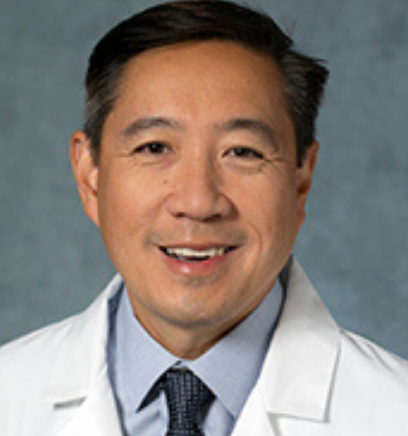
Zaldy Tan, MD, MPH, FACP
Close
Zaldy Tan, MD, MPH, FACP
Professor of Medicine
Cedars-Sinai
Physician Member
The interdisciplinary nature of geriatrics provides the opportunity for physicians to learn from and collaborate with nurses, social workers, pharmacists, therapists, and gerontologists, thereby broadening our clinical perspectives and enriching our professional experience. I have encountered no other medical specialty with such scope and breadth, or colleagues with such intellectual curiosity and deep humanity. In turn, our patients, many of whom have multiple medical, functional, behavioral, and psychosocial issues, benefit from the comprehensive care that only geriatricians have the expertise to provide. These unique aspects of the practice of geriatrics have sustained my passion, curiosity, and interest in our field for the last 20 years.
Since fellowship, my interest has consistently gravitated towards the brain and memory disorders. To me, the brain is a fascinating organ whose inner functioning remains a mystery to modern medicine. It seems that the more answers we get, the more questions arise. The more discoveries we make, the deeper its mysteries get. For decades we have generally accepted that amyloid plaques are the cause of the progressive neurodegeneration and loss of cognition and function in Alzheimer’s disease. Now that we have a way to effectively clear amyloid from the brain and yet the disease continues to march forward, we accept that there are other processes—inflammation, atherosclerosis, tau, microglia—that are involved. The same can be said about other conditions like frailty and delirium.
The complexity of age-related diseases keeps geriatrics researchers busy and clinicians humble in accepting that there will always be mysteries whose solutions are just beyond our reach. Indeed, ‘to cure sometimes, to relieve often, to comfort always’ still holds true for the treatment of age-related conditions. With my interest in memory, I chose geriatrics over other related specialties like neurology and psychiatry because it is only with the broad scope of geriatric medicine that I can address the entirety of my patient’s challenges. When I see a patient for a memory evaluation, as a geriatrician I can unravel the functional, psychological, and social challenges that often dwarf the challenges from their cognitive deficits. From gait and balance to medications and sleep, being a geriatrician memory specialist provides me with a whole person view of the challenges of my patient that have their root in the brain but extend well beyond it. I consider my patients and caregivers as dyads whose health and outcomes are closely intertwined, making it possible for me to form lasting relationships with my patient’s entire family.
As I reflect on my AGS membership experience thus far, I can’t help but look back at the first meeting I attended in Chicago when I was a research fellow. Besides the inspiring plenary talks, the stimulating research presentations, and the rows upon rows of posters, an indelible memory was the air of friendship and collaborative spirit that pervaded the hallways and the conference center. Everywhere I looked, I saw signs of a community coming together. The small group huddled in a discussion, the one on-one meetings between junior and senior geriatricians, and most of all the tight hugs and huge smiles akin to the meeting of long-lost friends impressed upon me the reason why I need to be part of AGS. All these years of being a member has only reinforced that decision. Thanks to AGS, I have had the privilege of being mentored by some of the geriatrics research greats—Inouye, Lipsitz, Kiel, Reuben—but it’s the geriatrics mentoring greats—Fabiny, Gillick, Mosqueda, and countless others—who had the greatest impact in my career path. By gentle nudging, thoughtful questioning, and intent listening, these geriatrics mentors have helped me discover my interests and explore my true passions. Now I am doing the same for more junior geriatricians, hopeful that I can impart some wisdom and provide guidance in their journey.
AGS has been my professional home for decades—a constant community beyond the four walls of my current institutional home. It’s where I met my mentors, teachers, mentees, and friends. This is why now—over 20 years later—I continue to look forward to every AGS meeting with a similar degree of curiosity and excitement of the new things I will learn, the novel ideas I will hear, and the friends—new and old—that I will have the opportunity to meet.
Image
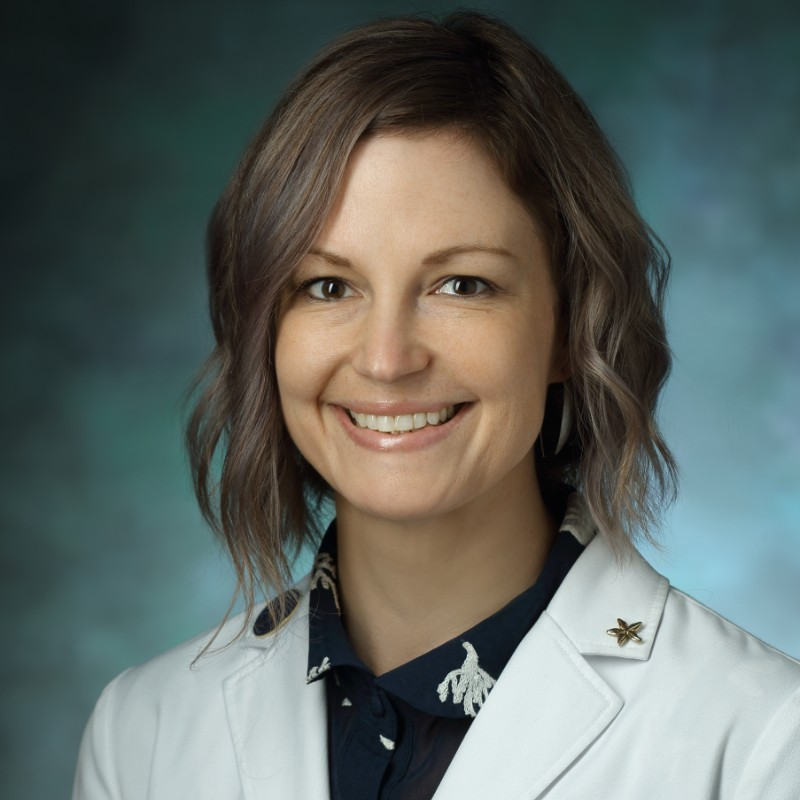
Mariah Robertson, MD, MPH
Close
Mariah Robertson, MD, MPH
Assistant Professor of Medicine, Associate Program Director
Johns Hopkins University
Physician Member
As with many geriatricians, Mariah Robertson’s career inspiration came from a grandparent—in this
case her grandmother, who lived with her and her mother, a single mom. Her grandmother had Alzheimer’s disease. “I was so fortunate to have these two inspiring women in my life—my mother taught me how to be a good caregiver,” says Dr. Robertson, now a first-year Clinical Education Fellow in Geriatric Medicine at Johns Hopkins. Sadly, Dr. Robertson's mother also developed Alzheimer’s disease in her late 50s, which gave Dr. Robertson invaluable insights into our health care system. “I saw the good—and the bad—in the system,” she says.
Once she decided on a career in medicine, Dr. Robertson recognized that she wanted to take care of frail older adults, those who deal with complex health problems. “I wanted to care for people who our health care system struggles—and often fails—to serve. These older adults have complicated health issues and our system just isn’t set up to care for them, which sadly leaves them feeling alone and marginalized.”
Dr. Robertson joined the AGS while she was a medical student and has been reaping its many benefits ever since. Although juggling her residency with her infant children didn’t leave much time for membership activities, she became more involved as a Fellow. “I’ve been very excited about what I can gain from my membership—and what I can contribute!” Last year, as a chief resident, Dr. Robertson’s schedule allowed her to attend #AGS19. “It was so much fun to be there! I was in the mentorship program and was paired with the amazing Dr. Sarah Berry from Harvard. It was a wonderful opportunity to discuss my career goals with her,” recalls Dr. Robertson.
As an avid, if newish, member of the Twittersphere (follow her @MLRobertsonMD), Dr. Robertson has shared some inspiring personal stories on the platform. “It’s so funny—I’m new to Twitter, but I find it so incredible how much I can learn every day. I get medical knowledge, educational tips and personal stories about communicating with patients. It’s important to me to follow the “greats” of the geriatrics world and be able to interact with them,” says Dr. Robertson. (Follow #ThisIsGeriatrics). “It’s exciting when some of the greatest people in geriatrics medicine respond to something I’ve posted,” she notes. “We are the storytellers of medicine, and it’s wonderful to share short bits (anonymously, of course) of our patients’ reminiscences—they are living history.” Dr. Robertson believes that having a Twitter presence amplifies her professionally. “I’m very thoughtful about what I post, and doing so helps me focus on and share what I’m most passionate about.”
One of those passions is home care for older patients. Dr. Robertson has rotated through the Johns Hopkins home-based medicine program and has been able to follow the same patients for four years. “I get to see my patients every month. I find it incredibly fulfilling to care for people who need labs and imaging, among all their other medical needs, and be able to deliver it to them at home. It’s also humbling to provide that care in their own space. It puts our dynamic on a different level, and I get to see first-hand how they live their lives,” says Dr. Robertson.
Dr. Robertson balances her hectic work schedule with an equally hectic home schedule. “I have two little boys, ages 4 and 2, and I love seeing life through their eyes,” she says. She and her husband make time to see live concerts every couple of weeks—and she’s also dedicated to exercising regularly, which helps keep her focused.
Image
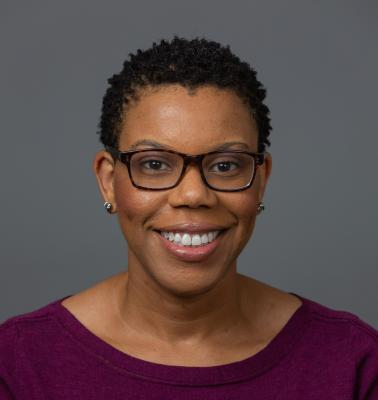
Rasheeda Hall, MD
Close
Rasheeda Hall, MD
Assistant Professor of Medicine
Duke University School of Medicine
Physician Member
My inspiration to become a geriatric nephrologist came to me during my nephrology fellowship. I’d encountered some difficult clinical scenarios that centered around older adults on dialysis who had repeatedly been admitted from nursing homes, and whose families wrestled with the complicated decision to start dialysis.
It wasn’t until I was exposed to the idea of geriatric nephrology during my fellowship curriculum that I realized there was a way to specifically care for older adults who had kidney disease, and that there were abundant research opportunities that focused on the field. Since then, I have been very interested in the care of older adults, their mobility and cognitive impairment, and about learning the principles of geriatric medicine.
Although I didn’t complete a geriatrics clinical fellowship, I had deep exposure to geriatrics through my advanced fellowship in geriatrics administered through the VHA.
I’ve been an AGS member since 2017—it took my first trip to an AGS Annual Meeting to convince me that the resources and community AGS offers is a great fit for me and my career goals. I enjoy meeting and networking with the community of healthcare professionals whose drive for improving care for older adults is similar to mine. That’s particularly inspiring for someone like me who’s bridging geriatrics to nephrology. Professionally, my membership means I’m presented with opportunities for career development, mentoring, and collaborations through AGS.
As a very special benefit of my AGS membership, I recently was honored by winning the Arti Hurria Memorial Award! This really means a lot to me. I know how bright Dr. Hurria’s star shined, and I can only strive to have my research have as huge an impact as hers did.
A normal day in my life looks like at least a couple of hours writing for a manuscript or a grant. The rest of my day may be interpreting research findings, attending research meetings, or seeing patients in my clinic. I have been grateful for my geriatric nephrology clinic at the Durham VA healthcare system because it allows me to incorporate geriatric principles into caring for older people with chronic kidney disease. It fuels my research.
I find it very rewarding to be in a position to view clinical care from both perspectives, geriatrics and nephrology, and to give that unique lens to my patients.
My time away from work is primarily spent with my family. Things are really challenging in the world today on top of building a research program, so some things that keep me steady are practicing mindfulness and journaling every day.
Image
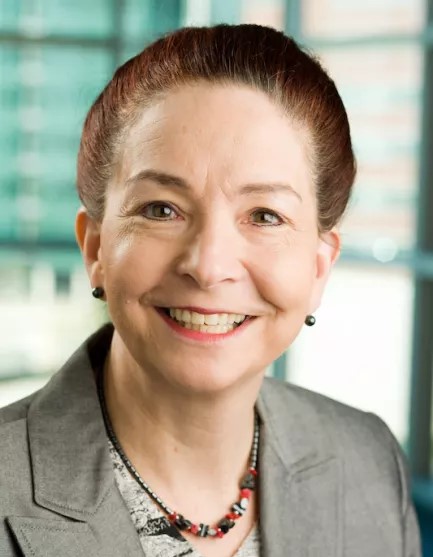
Jane F. Potter, MD
Close
Jane F. Potter, MD
Director, Geriatric Medicine Clinic
University of Nebraska Medical Center
Physician Member
My inspiration to become a geriatrician struck between my first and second year of medical school, when I worked in a rural hospital near where my family had homesteaded generations earlier. I assisted a doctor who did it all—nursing home rounds, house calls, hospital visits, you name it. Because the older folks stayed in that small town for their medical care, most of his patients were older adults. I fell in love with those people and realized I would be happy spending the rest of my professional career working with them.
During my second year of medical school in 1974, I’d read a letter in The Lancet by a doctor from Central Middlesex Hospital in London. He made the point that training students of various professions together was the right way to teach geriatrics. At the time, there was no training in geriatrics for medical students and certainly no inter-professional training in this country, so I sent him an airmail letter and eventually I went to London to study geriatrics as a senior medical student. I never looked back.
Upon my return to the U.S., I became an AGS member during my internal medicine residency in 1976. Though I’ve enjoyed different AGS activities at different points in my career, as I think back across my 40-some years of membership, one of the most enduring benefits has been the collegiality and support that I get from other members, as well as the bountiful resources the AGS provides. I’ve learned so much from the many projects I’ve participated in, and it’s wonderful to be among so many like-minded people who are on the cutting-edge of our field. I particularly take delight in the annual meetings, where I get to network with friends and colleagues and participate in the scientific sessions and symposia. Even if I can’t attend something I’m interested in, I can review the presentations and slide sets online. I love how accessible and user-friendly the AGS has made our meetings.
Right now, I’m engaged with the Geriatrics Workforce Enhancement Program (GWEP) Coordinating Center, which will support centers of geriatrics education that will become epicenters for addressing shortages in the geriatrics workforce. The Coordinating Center is so tied to the AGS vision and mission—for a least a decade, we’ve recognized that, because there won’t be enough geriatricians to meet the needs of the burgeoning older adult population, we need to raise the level of geriatrics expertise across professions as well as in primary care. This will help ensure that older adults will have the quality health care they need and deserve.
While raising the bar of geriatrics knowledge for all providers is essential, there remains a critical need for geriatricians and geriatric health professionals to lead the field in training and research. And that is the biggest challenges we face in geriatrics. Though we know that geriatricians are among the most satisfied physicians, conveying the “joys of geriatrics” to medical students and people in training in a way that draws younger people into the field remains elusive. I work with students across the disciplines and share with them the fact that geriatrics is fun, interesting, challenging, and rewarding. It’s a great career that doesn’t wear out or get boring. Also, the rewards are multiplied because you’re not only caring for older people but also often caring for families and caregivers.
Finally, I’d like people to understand how constantly fascinating geriatrics is as a career. There’s no such thing as a boring day in the clinic, and there’s not a day when I don’t learn something new. And you’re dealing with extraordinarily interesting people who are grateful for everything you do for them. When you improve an older adult’s functioning by just 15 percent, they view that as a huge success.
Image
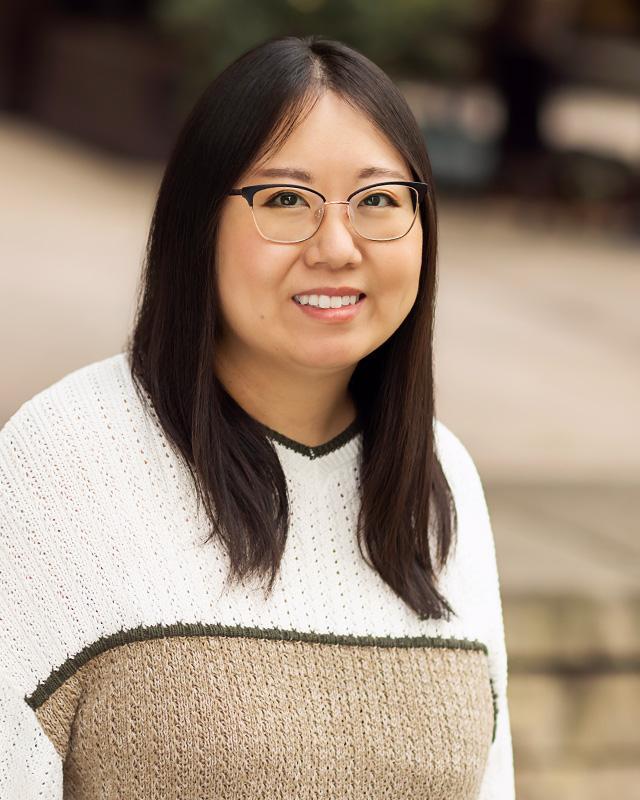
Maki Nakazato, MD
Close
Maki Nakazato, MD
Geriatrician
University of California, San Francisco
Physician Member
Tell us about your career journey and how you became interested in geriatrics?
I can’t remember any one specific moment when I chose geriatrics—it’s always felt natural. I think it started with my grandparents in Japan, who I visited every year. My maternal grandmother ran a little coffee shop where neighbors would gather to chat. It was less about the coffee and more about the community. I spent a lot of time there as a child, surrounded by older adults who welcomed me and made me feel at home. Those visits made a lasting impression that stay with me even to this day, they gave me a deep sense of comfort and connection with older adults.
After college, I didn’t go straight to medical school. I worked outside of clinical medicine and volunteered at a hospice, where most of the patients were older adults. I was a bedside companion, sitting with patients and keeping them company. That experience really shaped my desire to pursue geriatrics and palliative care. It also helped me understand how to connect with people as a person—not just as a future doctor.
In medical school and residency, I confirmed my interest through geriatrics rotations that included home visits and time in skilled nursing facilities. I initially planned to focus on palliative medicine, but during my geriatrics fellowship at Stanford, I fell in love with the field—especially the interdisciplinary approach working alongside nurses and social workers in our VA clinic. While completing my palliative care fellowship, I realized I missed the continuity of care and relationships in outpatient geriatrics. That’s where I’ve found my passion, and it’s what I’m doing now at UCSF.
What is your favorite part of working with older adults?
My favorite part is hearing their stories—learning about their lives, what matters most to them, and how they think about the time they have. During residency, I found the most meaningful moments often came during goalsof-care conversations. They were challenging but incredibly rewarding. It was in those conversations that I got to know patients as people and meet their families. With a background in philosophy, I appreciate how geriatrics allows me to reflect on life and death in a deeply personal way. Stories about working at the Hershey’s factory or marrying a high school sweetheart remind me of the humanity behind every chart—and that’s what keeps me going.
What are you most proud of in your career?
I’m proud to have made it to this point— becoming a doctor was a dream I’ve had since I was a kid, and it feels really special to have made that a reality. I’m the first in my family to become a physician, and I’ve been lucky to have found incredible mentors and support along the way. I just finished my palliative care fellowship last year and started at UCSF eight months ago, so I’m still early in my career, but I’m proud to be a geriatrician and excited to keep growing in this field.
What are you working on now?
I’m still getting settled at UCSF and learning the rhythms of outpatient geriatrics. I currently work in two clinics: one focused on primary care for older adults and the other at the Osher Center for Integrative Health, where I provide integrative geriatric consultative care. I recently led my first virtual group visit for Age Self-Care, an 8–10-week program on aging well developed by Dr. Louise Aronson. I’ll also be beginning a yearlong fellowship in integrative medicine to deepen my knowledge in areas like acupuncture and mindfulness— practices I hope to weave into my care for older adults.
I recently completed the AGS/ADGAP Leadership & Life Skills Curriculum, and it ended up being one of the most valuable things I’ve done. The timing couldn’t have been better. I was navigating unexpected changes to my schedule at work, and the sessions on communication and negotiation gave me tools I could use immediately. The online program covered essential topics like giving feedback, understanding different learning styles, and leading a team—skills I know I’ll need more and more as I progress into teaching and leadership roles. The combination of concise, well-designed asynchronous content and fun, discussion-based live sessions made it easy to stay engaged. I especially enjoyed the small group discussions, where I even connected with colleagues I hadn’t worked with before. It gave me both a toolbox and a sense of community, and I know I’ll continue to build on what I’ve learned.
Piece of advice to share with someone who is considering a career in geriatrics or just starting out?
Follow your passion—even if it leads you down a less common path like geriatrics. If you’re considering fellowship, take time to find a program that truly fits your unique needs and goals. A great fellowship can be such a wonderful experience, and it’s a special time to learn, grow, and discover the kind of clinician you want to be.
Your favorite AGS memory?
One of my favorite AGS memories is attending the AGS 2023 Annual Scientific Meeting in Long Beach. It was near the end of my geriatrics fellowship and felt like such a celebratory moment. The conference was incredibly well organized, not just for networking but also for updating clinical skills and knowledge. I recently completed the On-Demand version of this year’s meeting and found it just as valuable—it offered practical takeaways and reminders that help guide my dayto-day practice. I really appreciate how AGS creates opportunities for both reflection and connection. Not every professional society creates such a well-organized, enriching experience— with resources that truly support us in practice—and it’s something I deeply appreciate.
Image
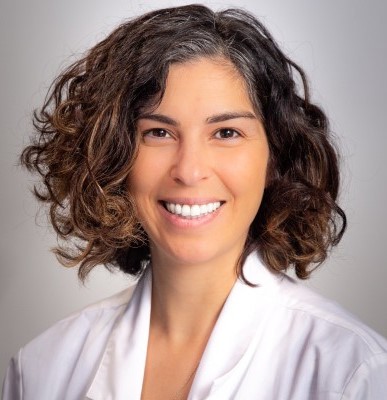
Alanna Dancis, MSN, CNP
Close
Alanna Dancis, MSN, CNP
Nurse Practitioner
University of New Mexico
Nurse Member
I never planned on becoming a geriatric nurse practitioner. I was all set to be a professional harpist, but when I was diagnosed with a repetitive stress injury, that dream vaporized. Instead, I ended up spending plenty of time in the healthcare system and had lots of contact with various practitioners. In particular, I had terrific nurses. My experience as a patient inspired me to emulate those wonderful nurses by becoming one. After I graduated from my nursing program, I got a job working in an intensive care unit (ICU), but it didn’t feel like a good fit for me. We were always telling patients what to do, and I felt that they didn’t really have a voice in their care. I then became a home care nurse, which I loved, and that led to a job with a hospice/home care program, which I loved even more. Our patients didn’t necessarily need to have a six-month life expectancy, but they did need to be 65-years-old or older and in declining health. This work led to my becoming a palliative care nurse—and that led to my interest in geriatrics. The feeling that I’m performing necessary work is extremely rewarding.
I truly appreciate geriatrics’ focus on person-centered care. Since we have limited research as to the best treatments for our patients— because older adults are frequently excluded from studies—every decision is a conversation. When you’re 55-years-old and younger, the right or wrong treatments are clearer, but in geriatrics, they can be less so. We can tell patients that we know how a treatment is expected to work in younger people, but don’t know exactly how it’ll work for them. We can ask older adults what they think and how they want to be treated and what outcome they want. The patients—and their families—are in the driver’s seat, and I’m a collaborator with them as they approach the last years of their lives.
I’ve been an AGS member for three years. I came to AGS for its continuing medical education (CME), conferences, guidelines, and other resources to help my patients. If the AGS has a position statement or a practice guideline, that’s my first stop and it’s what I’ll follow. Beyond those tools, however, I soon realized how many great opportunities AGS provided for me to get involved and take on leadership responsibilities and similar endeavors.
I especially enjoy the AGS Annual Scientific Meetings—I always come away with a major shift in my thinking. The Literature Review session, for example, covers high-impact research and is always fantastic. Last year, I heard about an article that concluded that almost all patients experience a period of several years of disability prior to their death. It made me realize that disability is often a part of life, rather than a “We’re going to solve this problem” experience. Keeping that in mind, I understand differently how we have to walk hand-in-hand with our patients and let them know that we’re with them while they go through this phase of their lives. You get to help them try to live these years with meaning and quality, and that’s one of the things I like most about geriatrics.
Back to Top